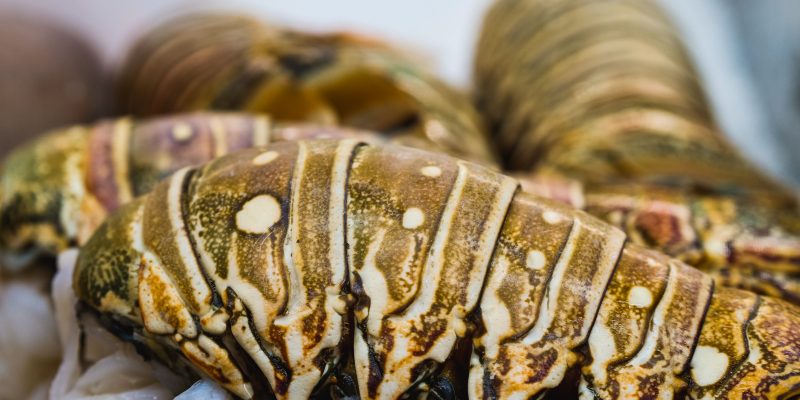
With Florida’s new lobster season just around the corner, it’s time to gear up for an exciting adventure. If you plan to catch these tasty lobsters, be sure to know all the rules and regulations before heading out.
Don’t let excitement get the best of you—review Florida’s lobster season rules beforehand to avoid fines for unintentional violations.
Overview of the Florida lobster season and Regulations
The Florida lobster season runs from August to March, with a special two-day mini-season in late July. Regulations for recreational lobstering include a limit of 6 lobsters per person per day, with a minimum carapace length of 3 inches.
There are also rules for the tools used to catch lobsters, including a requirement for a measuring device and a ban on using spears or hooks.
❖ It’s essential to follow these regulations to ensure the sustainability of the Florida lobster population and to keep the seafood industry thriving ❖
Common Question: If multiple people on the same boat have valid fishing licenses with lobster stamps, but only one diver enters the water, does the daily bag limit apply to everyone on board or just the diver?
Answer:
FWC regulations and bag limits are set based on the number of people actively fishing (or diving, in this example). The limits during the regular season would be 6 and apply only to the diver catching the lobster.
Important to note: a misconception that the bag limit is based on the number of people on the boat, even though they are licensed. Therefore, if only one person is actively fishing and the other is not participating in the fishing activity, then the bag limit would apply only to the person actively fishing/diving in the water.
MORE DETAIL ON REGULATIONS:
License Requirements: To participate in Florida Lobster Season, you need a recreational saltwater fishing license and a spiny lobster permit, unless exempt.
Florida Lobster Season consists of a special 2-day recreational season followed by a longer regular Commercial and Recreational Season.
Recreational season details:
Special 2-day dive season: July 26-27, 2023 (last consecutive Wednesday and Thursday of July each year)
- Daily Bag Limit: 6 per person for Monroe County and Biscayne National Park; 12 per person for the rest of Florida
- Possession limit on the water: same as the daily bag limit
- Possession limit off the water: same as the daily bag limit on the first day, double the daily bag limit on the second day
- Minimum Size Limit: Carapace must be larger than 3″ (measured in the water). Divers must carry and use a measuring device at all times while in the water.
- Night Diving: Prohibited in Monroe County (ONLY during sport season). Diving is defined as swimming at or below the surface of the water.
Regular Season details:
Season: Aug. 6 – March 31
- Daily Bag Limit: 6 per person
- Possession limit on the water: Equal to the daily bag limit
- Minimum Size Limit: Carapace must be larger than 3″ (measured in the water). Divers must carry and use a measuring device at all times. Learn how to measure a spiny lobster.
-
Harvest Restrictions: Lobster harvest is prohibited in the following areas:
-
John Pennekamp Coral Reef State Park (sport season only)
-
Everglades National Park
-
Dry Tortugas National Park
-
Biscayne National Park
-
Five Coral Reef Protection Areas
-
-
No-take areas in the Florida Keys National Marine Sanctuary
-
Biscayne Bay/Card Sound Lobster Sanctuary
Restrictions apply during both the 2-day sport season and the regular season, except where noted.
-
Transportation and Possession:
- Harvested lobsters must be kept in whole condition until landed ashore. Tails may be separated from the body but must remain intact. It is prohibited to harvest and possess spiny lobsters with attached eggs or those that have been separated from the female.
Additional Restrictions: Certain areas, such as Lobster Sanctuary Preservation Areas and no-take areas, may have additional regulations and could be closed to lobster harvest. Always check the FWC regulations for specific locations and details.
Please note that these rules are subject to change. Stay updated with the current regulations, as well as any local ordinances or restrictions that may apply to your diving location.
You can typically find this information on the website of the relevant state or provincial agency responsible for managing fisheries, or by contacting them directly.
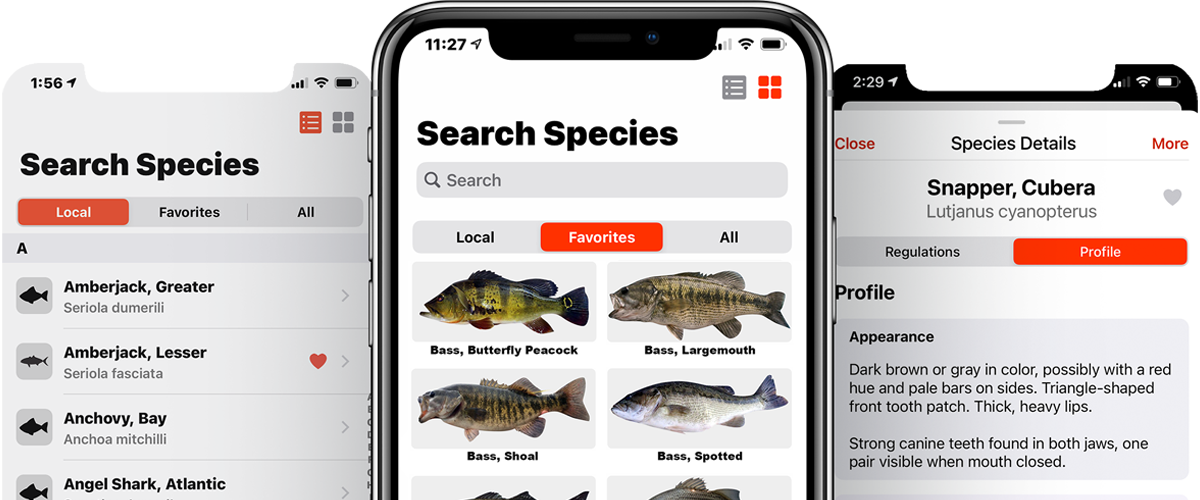
FishVerify is always a great source of information. Use the FishVerify app to check your location’s bag limits, size limits, and season dates. With the information you obtain from this app and other sources about lobstering regulations, you’ll be sure to abide by all rules as ignorance of the law is not an excuse!
Let’s all work together to ensure sustainable practices in our waters. Stay safe, stay informed, and enjoy the lobster season!