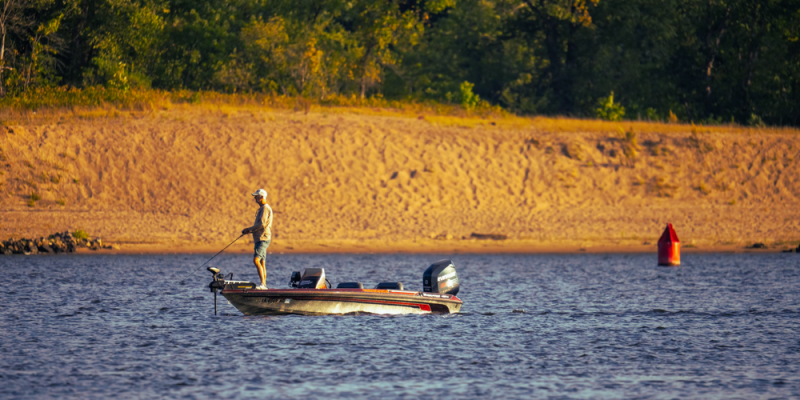
Coastal waters around the world offer some of the most productive and accessible fishing opportunities. One of the most popular ways to fish in these areas is inshore fishing.
But what exactly does that mean and why do so many anglers prefer it over offshore fishing? This guide explains what inshore fishing is and why it remains one of the most widely practiced styles of saltwater fishing.
What Is Inshore Fishing?
Inshore fishing refers to fishing in shallow coastal waters close to land, typically in saltwater or brackish environments where freshwater and seawater mix.
These areas are highly productive ecosystems that serve as feeding grounds, nurseries, and shelter for many fish species.
Common inshore environments include:
- Bays and lagoons
- Estuaries and river mouths
- Mangrove shorelines
- Grass flats and seagrass beds
- Backwaters and tidal creeks
Unlike offshore fishing, which takes place in deep ocean waters far from land, inshore fishing focuses on protected, shallow environments that are easier to access and often more consistent.
Inshore vs Offshore Fishing
Inshore and offshore fishing are the two main types of saltwater fishing, and the biggest differences come down to water depth, distance from shore, and fishing conditions.
If you want a deeper breakdown of the differences, check out our full guide for Inshore vs Offshore Fishing.
Common Inshore Fishing Environments
Inshore fishing takes place in diverse coastal habitats, many of which are among the most biologically productive ecosystems on Earth.
-
Estuaries
-
-
- Where freshwater mixes with saltwater, creating nutrient-rich environments that serve as nurseries for juvenile fish.
-
-
Grass Flats
-
-
- Shallow seagrass areas that support baitfish, shrimp, and crustaceans are key food sources for predator species.
-
-
Mangroves and Shorelines
-
-
- Provide structure, shade, and protection, making them prime ambush points for predatory fish.
-
-
Bays and Lagoons
-
-
- Sheltered waters with stable conditions and diverse fish populations.
-
-
Tidal Creeks and Backwaters
-
- Dynamic systems where fish move with tides, often creating predictable feeding opportunities.
Many of these environments are brackish, meaning they contain a mix of fresh and saltwater, it’s an important factor in their high productivity.
For more on how conditions shape fishing success, see How Tides and Winds Affect Inshore Angling
Common Inshore Fish Species
Species vary depending on location, but inshore waters around the world commonly include:
- Redfish (Red Drum)
- Snook
- Sea trout / Speckled trout
- Flounder
- Snapper species
- Pompano
- Spanish mackerel
- Sheepshead
- Tarpon (seasonal or migratory in many regions)
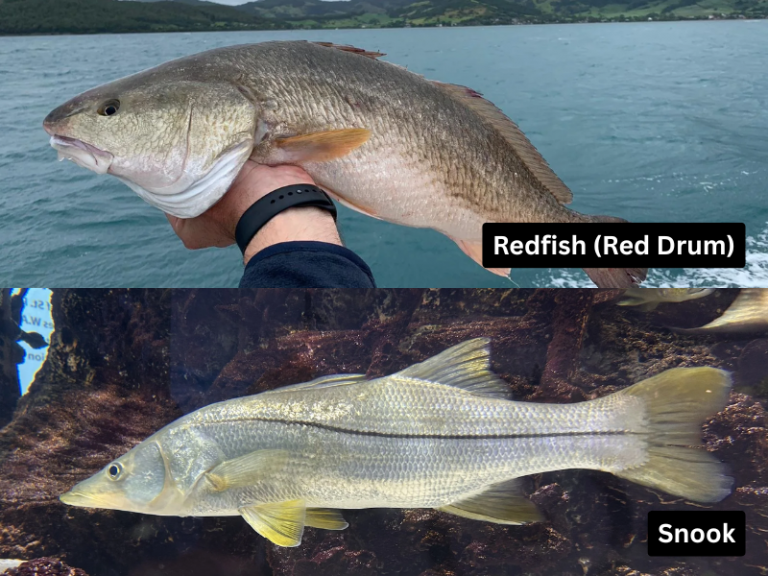
While these examples are common in parts of North America, similar ecological roles are filled by different species in other regions. What they share is a reliance on shallow coastal habitats for feeding and survival.
Boats Used for Inshore Fishing
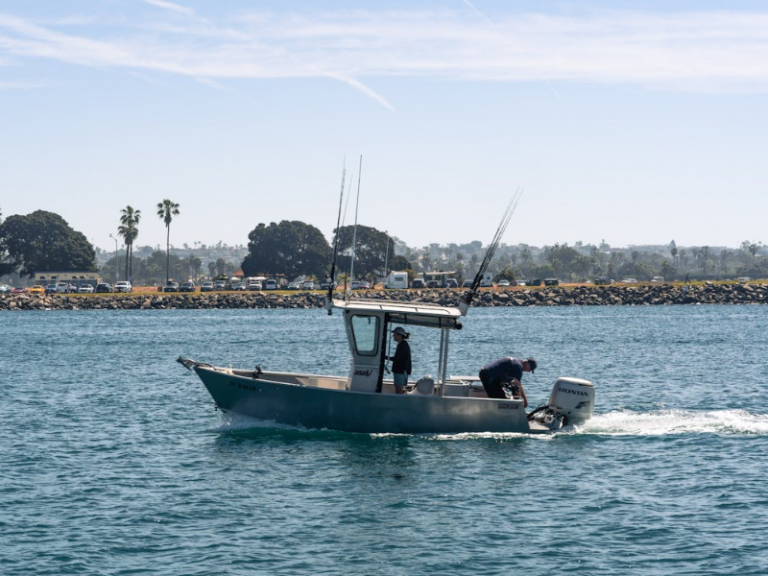
Although many anglers fish from shore, boats are often used to reach productive areas more efficiently.
Common inshore vessels include:
- Flats boats / skiffs – Designed for very shallow water and stealthy movement
- Bay boats – Stable and versatile for a variety of coastal conditions
- Center console boats – Capable of handling both inshore and light offshore trips
- Kayaks and small craft – Affordable, quiet, and ideal for shallow or narrow waterways
Tips for Successful Inshore Fishing
If you’re planning an inshore trip, these fundamentals can improve your results:
Follow the tides
Fish are more active during moving water, especially incoming and outgoing tides.
Target structure
Focus on mangroves, docks, rocks, grass edges, and oyster beds where fish gather.
Use natural bait or realistic lures
Shrimp, baitfish, and soft plastics are highly effective in shallow water.
Check local regulations
Size limits, bag limits, and seasonal closures vary by location and are essential to follow.
Why Inshore Fishing Is So Popular
Inshore fishing continues to attract anglers worldwide because it offers:
- Easy access from shore or short boat rides
- Lower fuel and equipment costs compared to offshore trips
- Consistent action in productive environments
- Scenic coastal settings
- Opportunities for both beginners and experienced anglers
It strikes a balance between simplicity and excitement, making it one of the most approachable forms of saltwater fishing.
Final Thoughts
Inshore fishing is one of the most accessible and rewarding ways to experience saltwater angling. Whether you’re exploring tropical flats, temperate estuaries, or coastal backwaters, these shallow-water environments provide excellent opportunities to catch fish and build skills.
For those new to saltwater fishing, inshore waters are an ideal place to start. It offers a combination of consistent action, diverse species, and a deeper understanding of how coastal ecosystems work.
👉 Ready to make the most of your next trip? Download FishVerify to identify your catch instantly, check local regulations, and fish smarter wherever you go.