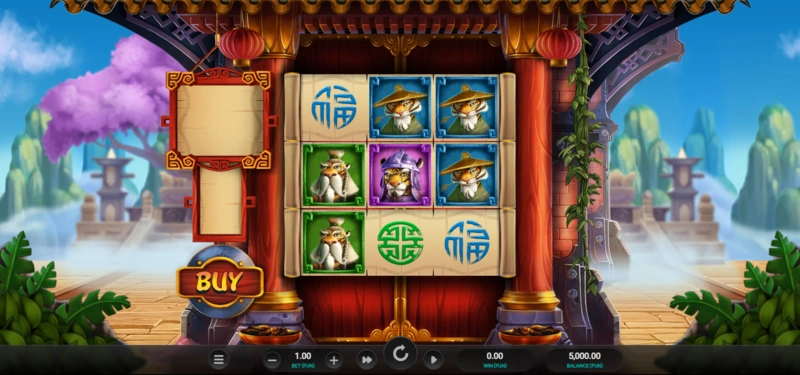
Mega Moolah’s success in the UK didn’t happen by chance https://mega-moolah.uk. It’s the result of meticulous, deliberate changes made to cater to British players. The game’s well-known progressive jackpot lures people everywhere, but its particular connection with the UK audience was built through careful work. Developers tailored the theme, symbols, and marketing to align with local tastes, rules, and culture.
Comprehending the British Gaming Psyche
British slot players typically look for two things: a familiar, familiar feel and the chance of a huge win. Mega Moolah’s design aims at both. Its safari theme offers classic escapism, a kind of adventure that’s been well-liked in UK arcades for years. At the same time, the progressive jackpot nurtures the dream of a single life-altering payout. The game keeps things simple, avoiding intricate stories for clear, direct gameplay with one enormous goal. This uncomplicated approach matches the British player’s mix of practicality and hope.
Fairness is very important to UK audiences. The adaptation underscores the unpredictable, unpredictable nature of the jackpot win, backed by independent audits. This focus counters natural scepticism and fosters the trust needed for players to engage. The game’s long history and its regular stream of UK winners strengthen its image as a dependable, proven product, not just a fleeting trend.
The social side of play is also part of the equation. Because its jackpot accumulates across a network, Mega Moolah generates a shared story. When someone wins, it grabs attention. This converts a private spin into a public event, something people discuss in online forums and with friends. That chatter integrates the game into the fabric of UK gaming culture.
Strategic Placement in the United Kingdom Market
The UK online slot market is saturated. Mega Moolah’s adaptation lets it distinguish itself not as just another game, but as an event. Its main benefit is the track record of creating multi-million-pound jackpot victors, a feat other slots haven’t achieved consistently. This isn’t framed as just a element; it’s the entire brand: “the millionaire maker.” Other games might have progressive prizes, but Mega Moolah owns the concept in the public’s mind through years of cultural influence.
The game doesn’t try to compete directly with story-heavy or movie-branded slots. Instead, it claims the “aspirational legacy” space. It’s promoted as the go-to selection for players whose main objective is that life-changing payout, over and above pure entertainment. This clear niche lets it sit alongside flashy new releases while holding its timeless charm for a core segment of British players.
Finally, you can find it almost anywhere. Mega Moolah is available on a huge array of UKGC-licensed casinos, from the biggest operators to smaller operators. A player can log into their preferred site and find their familiar edition of the game. This wide distribution, combined with all the tailored aspects and marketing, creates an omnipresence that cements its standing. For the UK, Mega Moolah is the default progressive jackpot offering, a leader defined by cultural familiarity and hard-earned confidence.
Public Interaction and the “Success Story”
A massive part of Mega Moolah’s UK appeal stems from how it showcases winner stories. Every major UK win receives publicity, often with the winner’s permission. This generates a rolling series of inspiring tales. The stories often spotlight people from diverse areas—a nurse from Scotland, a builder from Manchester—making the jackpot feel possible anywhere. It converts a concept like luck into something personal and local.
Online casinos and gaming news sites have whole sections on Mega Moolah winner updates, with interviews and occasionally photos. This content does very well in the UK, fueling conversations on forums and social media. People aren’t just playing the game; they engage with its ongoing drama. This model draws on a British love for real-life stories and shared moments, keeping Mega Moolah in the conversation long after the reels stop.
Then there’s the “Mega Moolah is due” chatter. As the jackpot grows, UK forums and social media light up with speculation. This shared anticipation, a nationwide watch for the next big winner, fuels the game’s culture. It demonstrates how adaptation goes beyond the game itself and into the conversations players have about it.
Regulatory Adherence and Safe Gambling Integration
To run in the UK, a game must adhere to the Gambling Commission’s strict rules. Mega Moolah’s UK version is developed around them. The game includes mandatory tools like deposit limits, reality checks, and time-out features directly in its interface. These aren’t tacked on; they’re part of the flow. This demonstrates a commitment to safer play that matches British expectations around consumer protection.
The game openly displays its Return to Player (RTP) percentage. This is a UKGC rule, but it also meets a cultural purpose. British players are increasingly informed now and they demand transparency. Publishing the RTP meets the legal standard and also boosts the game’s credibility. All promotional text avoids hinting that skill impacts the random jackpot, using language that’s thrilling but never untruthful about the odds.
The software also conducts strict age verification before anyone can play. You’ll find direct links to support groups like GamCare and BeGambleAware. Baking these resources into the experience indicates an understanding of the UK’s regulatory and social climate, where operator responsibility is a baseline demand from both the government and the public.
Advertising and Campaign Resonance
Promotion for Mega Moolah in the UK plays up its legendary status through channels that Brits use. Partnerships with major online casinos operating in the UK are key, with Mega Moolah often appearing in welcome offers. Promotions push the “British winners” angle, telling real stories from people across the country. This local proof is powerful. It makes the massive jackpot appear like it could actually land next door.
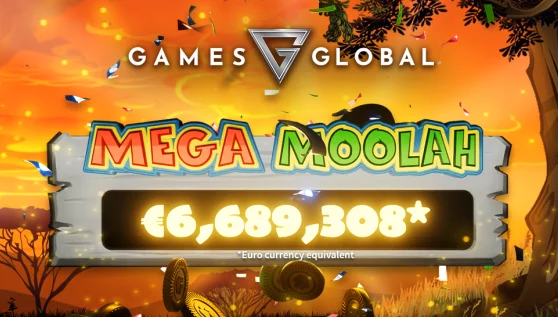
The tone of adverts is positive but measured, steering clear of over-the-top claims that would break UK advertising codes. Copy relies on the dream and the proven history, utilising tags like “the UK’s favourite progressive” or “the nation’s life-changer.” This frames Mega Moolah as a kind of national institution in gaming, a brand people recognise.
You’ll see seasonal promotions and ties to big UK sports or cultural events. This makes the game feeling current. The marketing ditches a generic global script for copy that employs British humour, phrases, and trends. The result is promotional material that feels native and engaging, not something imported from afar.
Symbolism and Thematic Adaptation
Mega Moolah retains its African safari theme, but the symbols are chosen for global recognition. A lion, elephant, giraffe, and zebra need no explanation for a British audience raised on wildlife documentaries. The theme functions because it’s an adventure everyone comprehends, without needing clumsy additions like red phone boxes or double-decker buses.
Where the localisation turns precise is with money. The jackpot counter displays Pound Sterling (£). Observing those amounts in millions of pounds, not dollars or euros, makes the potential win feel concrete. It puts the fantasy squarely in the player’s own economic world, removing any need for mental conversion. This small detail exerts a big effect on how real the dream feels.
The lower-value symbols utilise the standard playing card icons (A, K, Q, J, 10). This visual language is second nature to British players. It functions as a familiar anchor next to the more exotic animal symbols. The colours are bright but not messy, tending toward a clean, readable interface that UK players prefer to prefer. The whole presentation blends exciting escape with a dependable, known structure.
Platform Optimisation and UX
The backend is optimised for the devices UK players use the most, notably phones and tablets. The design is straightforward, with obvious buttons for spinning and adjusting bets. Loading times are kept minimal for average UK internet and mobile data speeds, to avoid annoyance. This attention to fluid performance meets the lofty expectation set by a technology-savvy audience familiar with polished digital services.
Payment systems are completely tailored. The slot sits on casino platforms that support UK preferences like Visa and Mastercard debit cards, PayPal, and Pay by Bank. Wagers are presented in GBP, with stake levels that cater to both occasional gamers and those who play high stakes. The financial aspect of things feels local, which cuts out difficulty and makes users feel safe.
Reaching customer support is just as streamlined. From the casino offering the game, players can contact UK-based help through live chat, phone, or email, with business hours set to GMT. This localised support system is essential for fixing problems quickly and building the enduring trust that keeps players coming back in a competitive market.