Florida, with its pristine coastal waters and abundant marine life, is a paradise for lobster enthusiasts. However, with the growing awareness of environmental concerns, it’s essential to practice sustainable lobstering. This blog will guide you through eco-friendly lobstering practices and highlight some of Florida’s best-kept spots for this exciting adventure.
Understanding the Importance of Sustainable Lobstering
Before we dive into the best spots, let’s discuss why sustainable lobstering is crucial. Lobster populations face various threats, including overfishing, habitat destruction, and climate change. By adopting eco-friendly practices, we can help ensure the long-term health of these magnificent creatures and their delicate ecosystems.
- Respect size limits: Adhering to size regulations protects breeding stock and allows smaller lobsters to reach maturity.
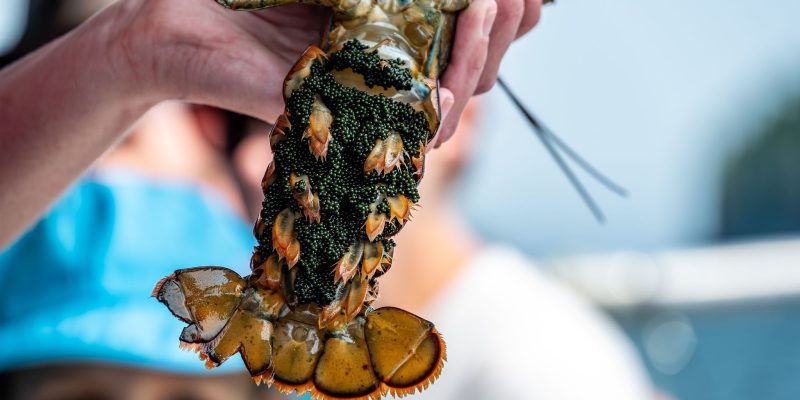
- The law requires anglers to release egg-bearing females.
- Protect the habitat: Be mindful of your surroundings and avoid damaging coral reefs, seagrass beds, and other critical habitats.
The Florida Keys
Known for its crystal-clear waters and diverse marine life, the Florida Keys offer exceptional lobstering opportunities. The Lower Keys, in particular, boast abundant lobster populations.

- Key West: While it’s a popular tourist destination, the surrounding waters still hold plenty of lobstering potential.
- Marathon: This charming island offers a balance of tourist attractions and secluded fishing spots.
- Islamorada: Known as the “Sportfishing Capital of the World,” Islamorada also provides excellent lobstering opportunities.
Lobsters of Florida
1. Caribbean Spiny Lobster (Panulirus argus):
https://www.fisheries.noaa.gov/species/caribbean-spiny-lobster
- This is the most common type of lobster that lives in Florida waters.
- These lobsters display bright red coloring and long, spiny antennae.
- They lack the large claws of the Maine lobster, but they have powerful tail muscles that they use to swim away from predators.
Fun fact: To compensate for its lack of defensive claws, the spiny lobster is remarkably fast. These crustaceans navigate their underwater world by walking forward on their numerous legs while reserving their tails for rapid escapes. A challenging quarry for predators and divers alike!
2. Egg-bearing Females

Understanding the Regulation
- Harvest Prohibition: It is illegal to harvest female lobsters carrying eggs in all species.
- Egg Identification: You can see the eggs under the tail, where the female holds them with her small fin-like feelers.
- Release Requirement: If you find a lobster carrying eggs, gently release it back into the water.
Important: Do not remove eggs from a female lobster, even if she meets the legal size. You cannot remove all the eggs completely, and inspectors can detect even the smallest traces. Violators face severe penalties. Please respect this regulation and help protect the lobster population!
3. Spotted Lobster (Panulirus Guttatus)

- Habitat: Shallow rocky areas in Southeast Florida and The Keys.
- Appearance: Distinctive spotted pattern.
- Behavior: Often found in lobster holes, under ledges, and even on ceilings.
Hunting Tip: Search at night with a flashlight, try attaching a fish carcass to a line and casting it upstream of potential hiding spots can lure lobsters to investigate the scent.
4. Ridged Slipper Lobster (Scyllarides Nodifer)

- Habitat: Sandy areas with shells, mud, and coral, primarily found in The Keys and Dry Tortugas.
- Behavior: Burrows into the sand during the day and emerges to feed at night.
- Distribution: Inhabits all regions of Florida.
5. More slipper Lobsters

Spanish Slipper Lobster (S. Aequinoctialis)
- Habitat: Sandy areas with high relief coral structure and crevices.
- Behavior: Burrows into the sand, nocturnal, slow-moving, feeds on algae and detritus.
- Size: Can grow very large.
- Distribution: Inhabits all regions of Florida.
Chace Slipper Lobster (S. Chacei)
- Distribution: Found from North Carolina to Brazil on the Atlantic and in the southwest Gulf of Mexico.
Sculptured Slipper Lobster (Parribacus Antarcticus)
- Habitat: Flower Banks in the northern Gulf of Mexico waters.
- Distribution: You can find this species in Florida’s northern Gulf waters.
Lobster Handling
- Required Licenses: Unless exempt, a recreational saltwater fishing license and a lobster permit are necessary to harvest spiny lobsters.
- It is a felony to damage, molest, or take lobster from traps in state or federal waters. The state prohibits recreational trapping.
- Whole Lobster: Anglers must land lobsters whole. Do not separate the tail from the body in state waters.
Other Prohibitions
- Egg-Bearing Lobsters: Harvesting or possessing egg-bearing spiny lobsters, or any other egg-bearing lobster species from the Palinuridae, Scyllaridae, or Synaxidae families, is illegal.
- No Puncture or Penetration: Do not use any device that punctures, penetrates, or crushes a spiny lobster’s exoskeleton or flesh.
- Individual Bag Limits: Bag limits apply only to properly licensed individuals or those exempt from license requirements who are actively harvesting. Individuals cannot exceed their personal bag limits or take someone else’s allowance. Count only those who harvest lobsters toward bag limits; do not include non-harvesters or children.
Good Practices
- Proper bait management: Use environmentally friendly bait options or dispose of bait responsibly to prevent water pollution. Consider composting organic bait or recycling non-organic components.
- Check and replenish ALL necessary boat safety gear.
- Idle speed when within 100 yards of a boat displaying a dive flag.
- Fuel efficiency: Improve boat fuel efficiency through regular maintenance, hull cleaning, and using fuel-efficient technologies. This reduces greenhouse gas emissions and minimizes your environmental footprint.
- Habitat preservation: Be mindful of your surroundings and avoid damaging sensitive marine habitats. Anchor carefully to prevent damage to seabeds and coral reefs.
- It is prohibited to touch coral: Do not touch coral. Avoid bumping corals with dive fins, standing on them, or anchoring your boat on coral.
Additional Considerations
- Stay informed: Keep up-to-date with the latest research and best practices in sustainable lobstering. Participate in educational programs and workshops to enhance your knowledge.
- Collaborate: Work with other lobstermen and fishery management agencies to share information and develop collective solutions for environmental protection.
- Support certification: Consider obtaining certifications for sustainable lobstering practices to demonstrate your commitment to environmental responsibility.
By implementing these practices, lobstermen can contribute to the health of marine ecosystems and ensure the long-term sustainability of the lobster fishery. Remember, small changes can make a significant impact.
Want to ensure your lobstering adventure is legal and eco-friendly? Download the FishVerify app for up-to-date regulations and fishing tips. Get it now here.