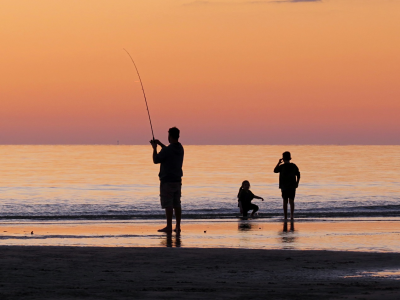
Summer days on the ocean offer a captivating backdrop for recreational anglers, but they also present unique challenges. As temperatures rise and boat traffic grows, fish move to deeper, cooler waters, challenging even experienced fishermen.
Fear not, for we have a solution: downriggers and planers.
This blog explores deep-sea fishing and offers tips to maximize success with essential tools during summer ocean days.
What are downriggers and planers?
Understanding the dynamic relationship between fish behavior and water temperature is crucial to adapting your fishing techniques. With fish seeking refuge in deeper zones, traditional methods may fall short.
This is where downriggers and planers come into play. These specialized devices allow you to precisely control the depth at which your bait or lure is presented, increasing your chances of enticing even the most elusive catches.
Downriggers and planers are tools that allow you to fish at controlled depths by attaching weights or diving devices to your fishing line.
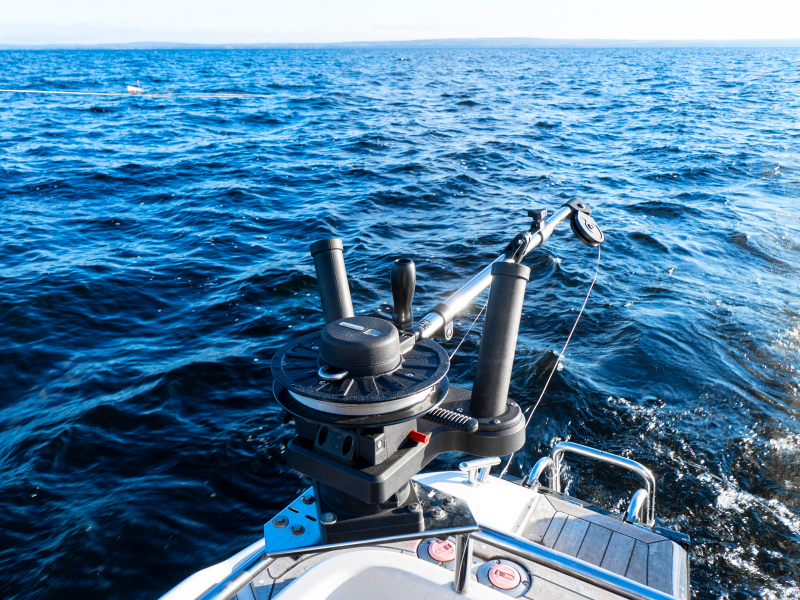
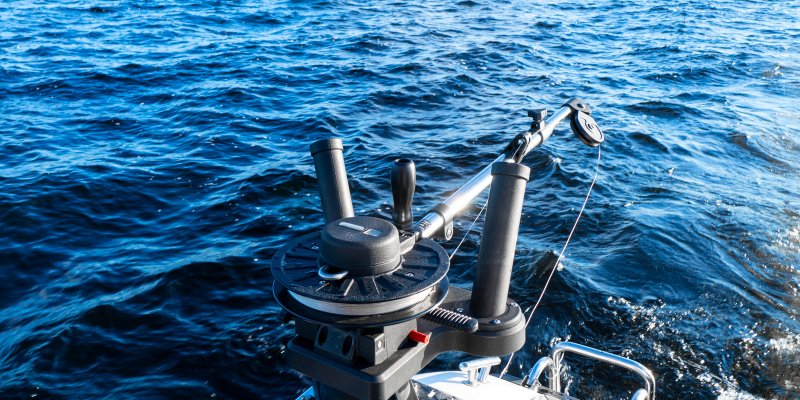
- Downriggers typically consist of a cable system with a weight and a release clip to lower your bait or lure to a specific depth.
- Planers, on the other hand, are devices that are towed alongside the boat, creating a lateral force that pulls the line deeper.
Tips to get the most from these essential tools:
-
Locating the Thermocline:
During the summer, fish often seek the comfort of cooler waters found at greater depths. To use downriggers and planers effectively, locate the thermocline—the boundary between warm surface and cooler deep waters—using a fish finder, where fish are often concentrated. Position your downrigger or planer setup to target the desired depth where the fish are likely to be present.
-
Selecting the Right Tackle:
When fishing with downriggers and planers, selecting the appropriate tackle is crucial. Choose rods and reels that can handle the additional weight and resistance caused by the downrigger or planer. Sturdy medium to heavy-action rods are recommended, paired with reels equipped with a high line capacity. Strong monofilament or braided line is essential to withstand the forces encountered at greater depths.
-
Adjusting Downrigger and Planer Depths:
Experimentation is key when using downriggers and planers. Start by deploying your downrigger or planer at various depths until you find the zone where fish are actively feeding. Adjust the depth incrementally, taking note of any strikes or changes in fish activity. By fine-tuning the depth of your presentation, you can increase your chances of enticing a bite.
-
Utilizing Attractive Lures and Baits:
When fishing with downriggers and planers, it is important to select lures and baits that mimic the natural prey of the targeted fish species. Deep-diving plugs, spoons, or swimbaits are excellent choices as they can reach the desired depths. Experiment with different colors, sizes, and actions to determine what the fish respond to on a particular day. Adding attractants or scent-based products to your lures can also increase their effectiveness.
-
Paying Attention to Speed and Trolling Patterns:
Maintaining the right speed and utilizing effective trolling patterns are crucial factors when using downriggers and planers. Troll at a speed that allows your bait or lure to swim naturally, avoiding excessively fast or slow movements. Incorporate variations in your trolling patterns, such as zig-zags or figure eights, to add extra action and attract fish to your presentation.
-
Safety Considerations:
As you venture out on the ocean, prioritize safety at all times. Check weather conditions before heading out and ensure your boat is equipped with proper safety equipment. Keep a close eye on changing weather patterns and be prepared to return to shore if conditions deteriorate. Wear appropriate safety gear, such as life jackets, and inform someone on land about your fishing plans and estimated return time.
Summer days on the ocean offer exciting opportunities for recreational fishing. You can effectively target fish hiding in deeper, cooler waters by utilizing downriggers and planers.
Key elements for a successful fishing trip include knowing the thermocline, choosing the right tackle, adjusting depths, using effective lures, managing speed and trolling patterns, and staying safe.
Embrace these techniques, stay adaptable, and enjoy the thrill of fishing during the warm summer months on the open ocean.
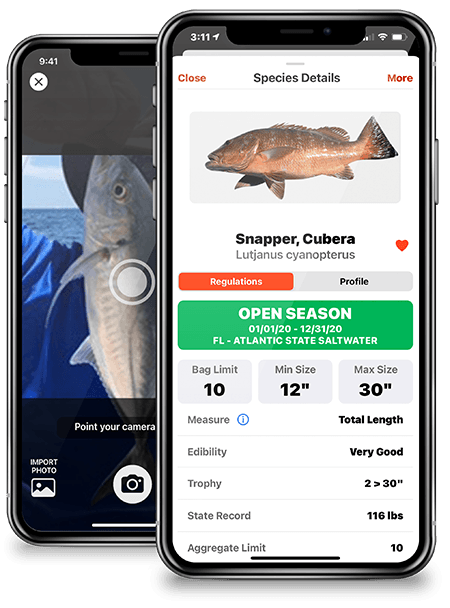
Ready to take your fishing adventures to the next level? Download our app, FishVerify, for a convenient and comprehensive fishing companion. With FishVerify, you can quickly identify fish species, access fishing regulations, and discover new hotspots. Don’t miss out on the ultimate fishing tool—get the FishVerify app today and enhance your angling experience like never before!